The Science Behind Emotional Disconnection and How to Heal It: A Journey Towards Reconnection
Emotional disconnection can leave you feeling isolated, trapped in compulsive behaviors that chip away at your relationships and self-worth. You’re not alone in this struggle, and there’s hope for healing. By understanding the science behind emotional disconnection, you can take powerful steps toward reclaiming your life. Discover how True Warrior Inside coaching can guide you on this path, offering empathy and proven models like Help Her Heal. Ready to start your journey towards reconnection? Join our support group or book a coaching session today. Learn more about the process here.## Understanding Emotional Disconnection
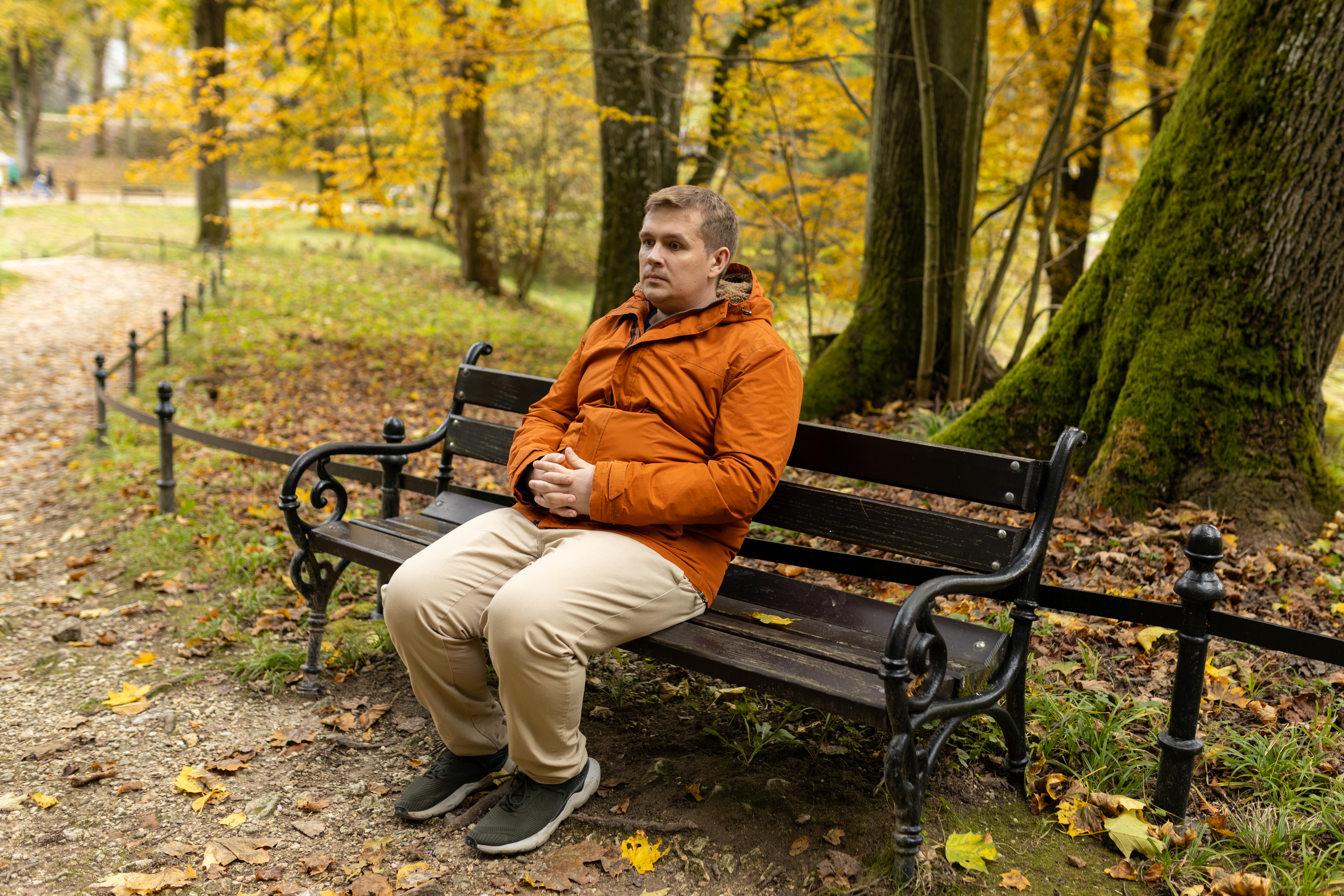
Emotional disconnection is a complex issue that often stems from deep-seated psychological and neurological factors. When left unaddressed, it can lead to feelings of isolation and compulsive behaviors that affect personal relationships. Understanding its roots can pave the way for healing and recovery.
Psychological Roots of Disconnection
Emotional disconnection frequently originates from past trauma or prolonged stress. These experiences can create emotional walls, making it difficult to connect with others. Individuals may subconsciously distance themselves to avoid potential pain or rejection.
-
Childhood trauma often plays a significant role. Adverse experiences can shape emotional responses, leading individuals to suppress feelings as a defense mechanism.
-
Attachment styles developed in childhood may influence adult relationships. Insecure attachment can result in avoidance and emotional withdrawal.
Moreover, societal expectations and cultural norms can exacerbate emotional disconnection, particularly for men. The pressure to remain stoic can prevent the expression of vulnerability. Listening to Psychiatry Podcast can provide further insights into managing these challenges.
Neurological Impact on Relationships
Neurological factors also play a crucial role in emotional disconnection. Brain chemistry affects how emotions are processed and expressed, impacting relationships.
-
Hormonal imbalances, such as those involving cortisol and adrenaline, can heighten stress responses. This can lead to withdrawal and decreased emotional availability.
-
The brain’s reward system may become skewed, especially in individuals with compulsive behaviors. This can manifest as prioritizing short-term gratification over meaningful connections.
Additionally, persistent emotional disconnection can alter neural pathways. Over time, this change can make it more challenging to form and maintain healthy relationships. Resources on emotional healing are available to better understand these effects.
Steps to Emotional Healing

To heal from emotional disconnection, it is essential to address both the psychological and neurological aspects. Healing is a gradual process but taking actionable steps can significantly improve emotional health and relationships.
Overcoming Compulsive Behaviors
Compulsive behaviors often serve as coping mechanisms for emotional disconnection. Addressing these behaviors is crucial for recovery and healing.
-
Identify triggers: Understanding what prompts compulsive actions is the first step toward change. Journaling can help track patterns and emotions.
-
Develop healthy coping strategies: Replace detrimental habits with activities that promote well-being. This might include exercise, meditation, or artistic pursuits.
-
Seek professional help: Working with a therapist can provide valuable insights and guidance. Therapies like somatic therapy are effective in addressing the mind-body connection in emotional healing.
Continued self-reflection and commitment to personal growth are vital in overcoming compulsive behaviors and fostering emotional connections.
Embracing the Help Her Heal Model
The Help Her Heal model is a compassionate framework aimed at fostering emotional healing for men, particularly in the context of relationships.
-
This model emphasizes empathy and understanding, encouraging men to consider their partners’ perspectives. Books and resources on the Help Her Heal model provide practical guidance.
-
It includes exercises that promote active listening and emotional validation, helping to rebuild trust and intimacy.
-
The framework supports men in addressing their emotional wounds and breaking free from patterns like the Nice Guy Syndrome, which can hinder genuine connection.
Engaging with this model can lead to significant personal and relational growth, promoting a deeper sense of empathy and connection.
Support and Recovery Options

Recovery from emotional disconnection is a community effort, and the right support system can make a profound difference. True Warrior Inside offers an array of resources to facilitate this healing journey, providing guidance and community.
True Warrior Inside Coaching Benefits
True Warrior Inside coaching is tailored to support men in overcoming emotional disconnection and compulsive behaviors. Here’s how it helps:
-
Personalized guidance: Coaching sessions are customized to meet individual needs, focusing on personal growth and emotional healing for men.
-
Proven models: Techniques like the Help Her Heal model are integrated into the coaching process, ensuring a holistic approach to recovery.
-
Accountability and support: Coaches offer a supportive environment, encouraging honesty and accountability as men work through their emotional challenges.
The coaching experience is not just about addressing symptoms but fostering long-term transformation and resilience.
Joining a Supportive Community 🌟
Community support is invaluable in the recovery process. Joining a group of like-minded individuals can provide both encouragement and accountability.
-
Shared experiences: Engaging with others who understand the challenges of emotional disconnection can be incredibly validating.
-
Resources and workshops: Many communities offer workshops and resources focused on emotional healing and personal growth.
-
Ongoing support: Regular meetings create a sense of belonging and provide continuous motivation to stay committed to recovery.
True Warrior Inside’s free support Zoom group offers a safe space for men to connect and share their journey. Joining this community can be a significant step in finding strength and inspiration from others. 🌟