The Power of Empathy: Healing Relationships Through Understanding
You feel trapped in a cycle of compulsive behaviors, watching your relationship crumble under emotional disconnection. It’s a painful reality many men face, leaving you wondering if healing is even possible. But what if empathy could be the key to relational repair and emotional healing you desperately need? By embracing understanding, you can transform your relationship and rediscover connection. Ready to learn how? Explore the power of empathy and join our True Warrior Inside community today to start your journey to recovery and growth. Learn more about empathy in relationships.
The Role of Empathy in Healing
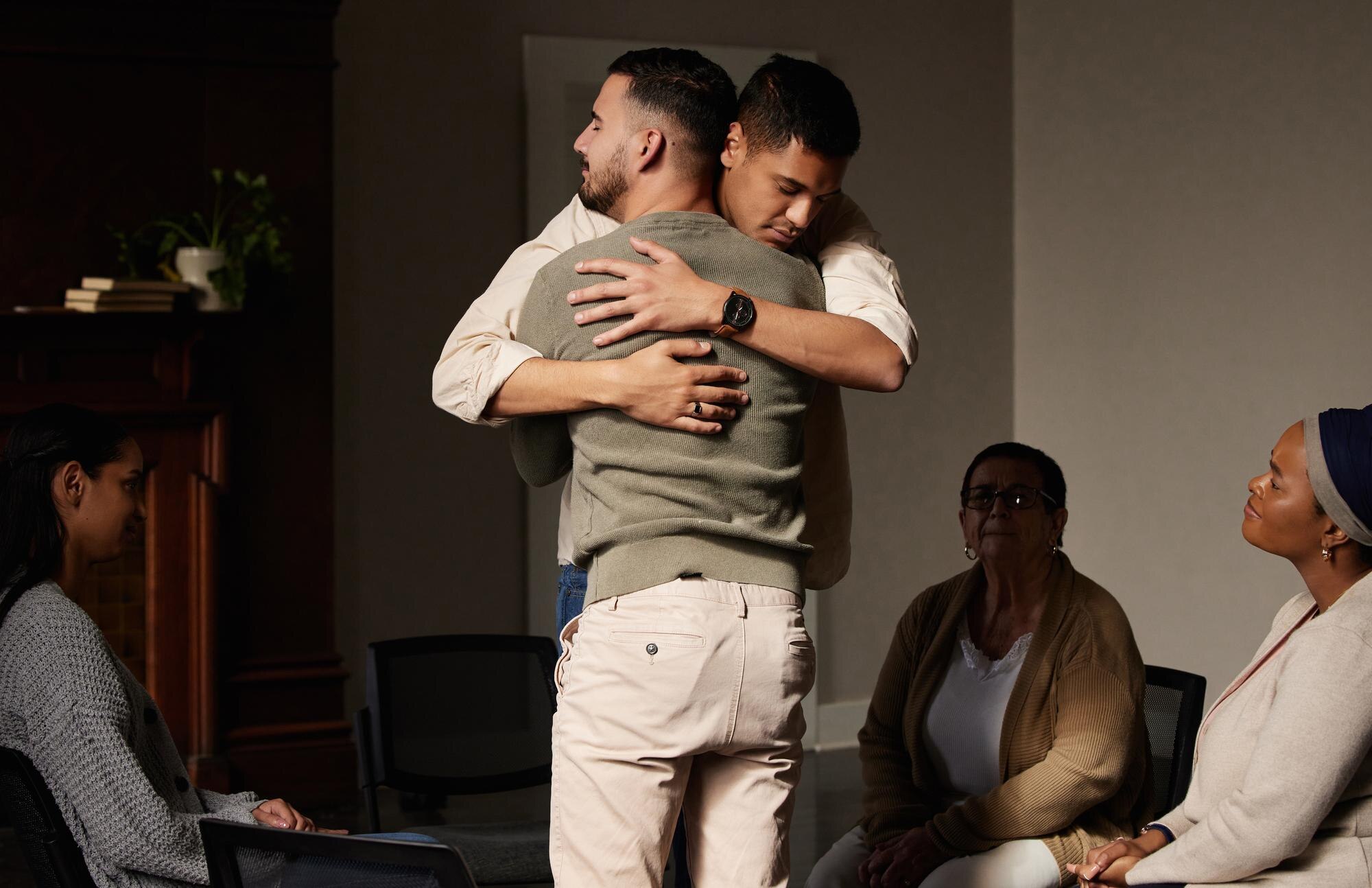
Empathy plays an essential role in mending broken relationships, particularly when emotional disconnection has taken hold. Understanding how empathy can bridge gaps can set the stage for personal and relational recovery.
Understanding Emotional Disconnection
Emotional disconnection often stems from unmet needs or unresolved conflicts. It manifests as a lack of intimacy or understanding, leaving partners feeling isolated. This disconnection can be paralyzing, yet identifying its roots is crucial for healing. By fostering empathy, individuals can begin to reconnect emotionally with their partners.
Learning to recognize emotional disconnection involves acknowledging feelings of neglect or misunderstanding. It’s essential to engage in open dialogues that promote understanding. For more on how empathy strengthens relationships, check out this insightful resource.
Rebuilding connection involves listening actively and validating your partner’s emotions. This approach not only fosters closeness but can also prevent future disconnection. Engaging with resources on empathy, such as this one, can provide practical guidance.
Breaking the Cycle of Compulsive Behaviors
Compulsive behaviors, such as addiction, often serve as a means to escape emotional pain. Breaking free from this cycle requires both personal insight and external support. The first step is recognizing how these behaviors affect your relationships.
-
Acknowledge the behavior: Understanding how compulsions impact others is vital.
-
Seek professional help: Therapists can provide strategies to manage and reduce compulsive tendencies. For more insights, you might find this article helpful.
-
Develop coping mechanisms: Replace compulsive behaviors with healthier alternatives.
Breaking the cycle requires commitment and support. Engaging with supportive communities, like True Warrior Inside, can be life-changing. This transformation not only benefits you but also enhances your relationship.
Steps to Relational Repair

Repairing a relationship requires deliberate effort and a commitment to change. Empathy serves as the foundation upon which emotional honesty and mutual understanding are built.
Building Emotional Honesty
Emotional honesty is about being transparent with your feelings. It requires vulnerability and the courage to share openly. This honesty cultivates a deeper connection and trust between partners.
To build emotional honesty:
-
Communicate openly: Share thoughts and feelings without fear of judgment.
-
Practice active listening: This involves empathy and giving your partner full attention.
-
Seek feedback: Understand how your behavior impacts your partner.
For more tips on reconciliation through emotional honesty, check out this detailed guide.
Honesty strengthens relationships, encouraging a safe space for both partners to express themselves. This creates a more resilient partnership, capable of withstanding challenges.
The Help Her Heal Model
The Help Her Heal Model is a structured approach to relational repair, particularly useful for men recovering from compulsive behaviors. This model emphasizes empathy and understanding as pathways to healing.
-
Understand her perspective: Empathy involves seeing the world through your partner’s eyes.
-
Validate her feelings: Acknowledge her emotions as valid and meaningful.
-
Commit to change: Demonstrate a willingness to evolve positively in the relationship.
By adopting the Help Her Heal Model, men can foster a more supportive and understanding relationship. This approach enhances emotional healing and encourages mutual growth.
For a deeper dive into empathy’s role in relationship repair, explore this resource.
Personal Growth and Recovery

Personal growth and recovery are ongoing processes that require dedication. Addressing internal struggles, such as compulsive behaviors, is vital for both individual well-being and relationship health.
Overcoming Nice Guy Syndrome
Nice Guy Syndrome refers to the pattern where men sacrifice their own needs to please others, often resulting in resentment or emotional disconnect. Overcoming this requires a shift towards authenticity and self-care.
-
Recognize patterns: Identify behaviors that align with Nice Guy Syndrome.
-
Set boundaries: Protect your emotional space by clearly defining limits.
-
Prioritize self-care: Engage in activities that nurture your well-being.
By addressing Nice Guy Syndrome, men can develop healthier relationships that are based on mutual respect and authenticity. This transformation is crucial for personal and relational growth.
Faith-Based Recovery for Men 🚀
Faith-based recovery offers a spiritual path to healing and personal growth. It integrates spiritual beliefs with therapeutic practices to foster holistic healing.
-
Spiritual guidance: Lean on spiritual beliefs for strength and direction.
-
Community support: Engage with a faith community for encouragement and accountability.
-
Reflective practices: Use prayer or meditation to gain insights into personal struggles.
For those seeking a faith-based approach, resources like True Warrior Inside can be invaluable. This path not only aids in overcoming compulsive behaviors but also enriches personal growth. Engage with supportive communities for additional insights and empowerment.